Ahmad Nayfeh
Electrical Design Engineer · Software & AI
I design medium-voltage switchgear at Alfanar, and I build software: AI tools that automate routine engineering work, and apps that people use every day.
- Current role
- Electrical Design Engineer, Alfanar Secondary Switchgear Factory (since Jan 2026)
- Education
- M.Sc. Electrical Engineering, KFUPM (in progress) · B.Sc. Electrical Engineering, KFUPM
- Built and released
- Shadhra (web and Google Play), Khatwa and Reading Marathon (Android)
- Based in
- Riyadh, Saudi Arabia
Apps I designed, built, and released.
Each one is in real use, with releases and maintenance by me.
All projects
Reading Marathon
An Android App for Reading Groups
An Arabic Android app for reading, alone or with friends: pick the book you are reading, log your time in it with one tap, and keep a personal shelf. Groups read a shared book together, with a ranking. It replaced a Streamlit dashboard fed by Google Forms.
Shadhra
Arabic-First Reading Companion
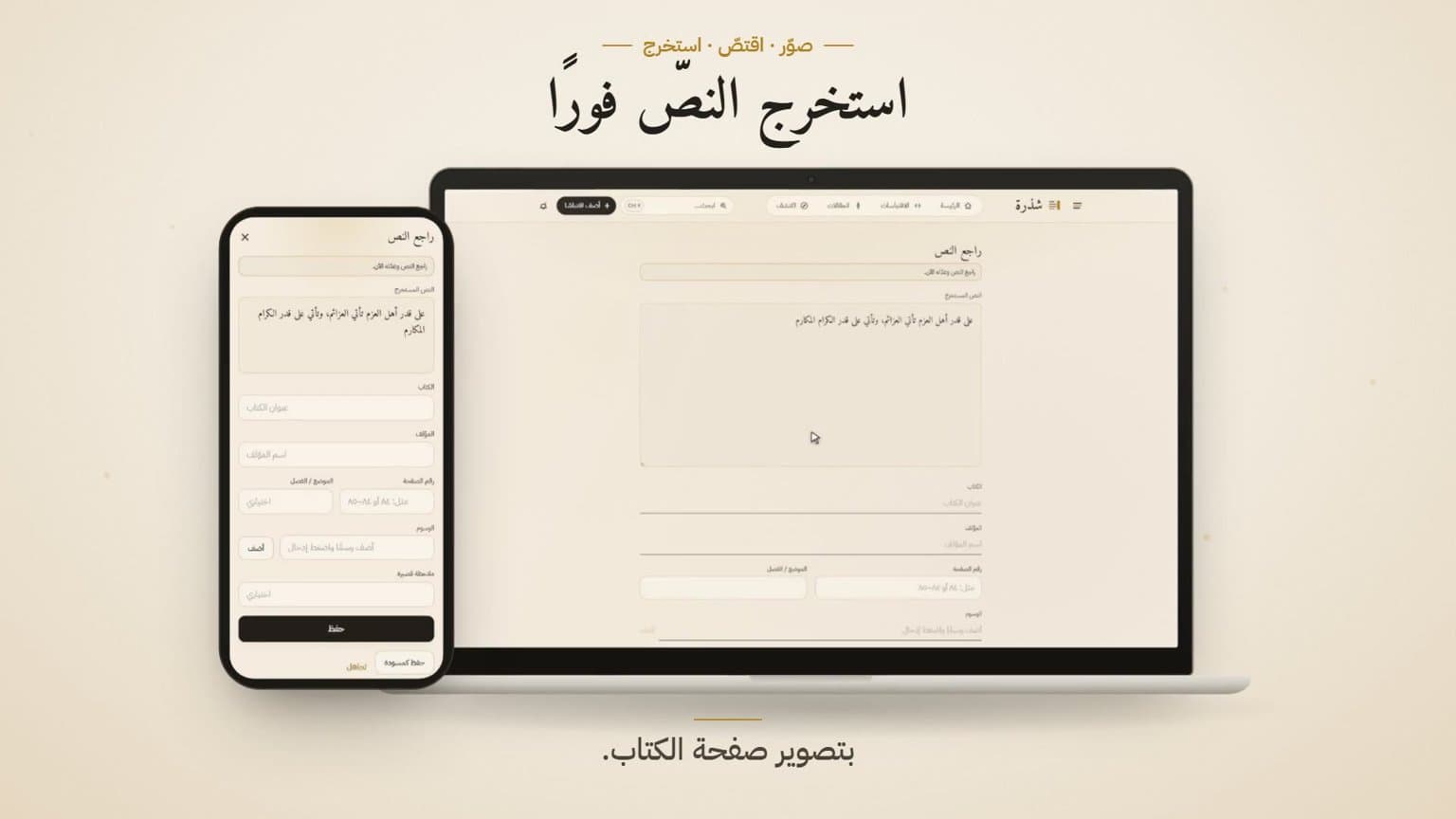
A web and Android app for saving quotes from printed books: photograph a page, extract the Arabic or English text, and resurface your library every day.
Khatwa
A Walking App That Plays Like a Game
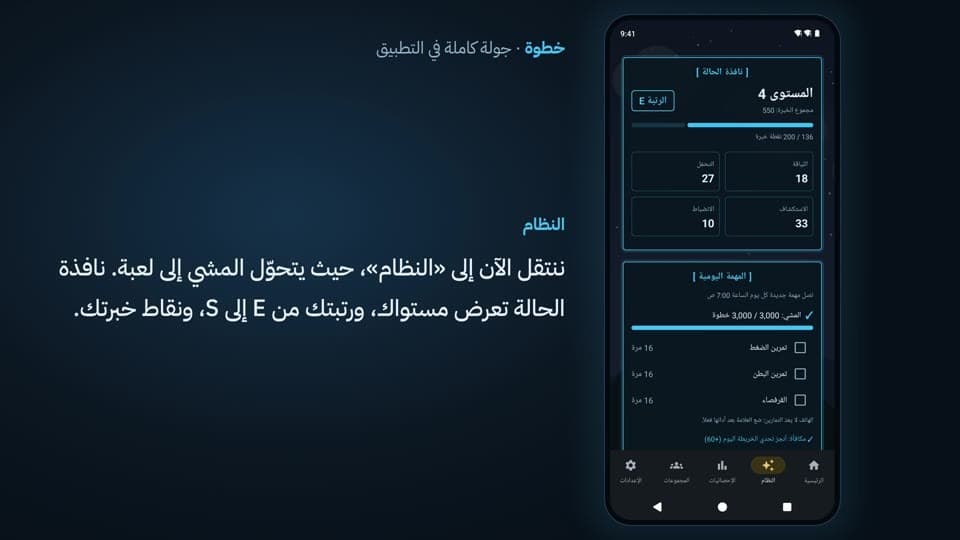
A native Android app that counts steps, can lock the phone until you walk, and turns walking into daily quests, levels, and streaks, with walk suggestions timed around weather and prayer times.
Electrical Design Engineer at Alfanar
Secondary Switchgear Factory, Riyadh · since January 2026. I own the electrical design of each order I'm assigned, from the first schematic until the unit leaves production.
- 1
Design
Electrical schematics for each customer order, built to the customer's and the utility's specifications.
- 2
Approval
Drawings go to the customer for review; I resolve their comments until sign-off.
- 3
Release
The full production package: drawings, wiring and ferrule lists, labels, and the bill of materials in SAP.
- 4
Support
Design point of contact for QC, testing, and production until the unit ships.
Alongside the design work I build AI-assisted tools that automate routine design checks and documentation for the team, so errors are caught before they reach production.
Experiments, written up.
Articles with runnable code and measured results, on signals, images, and machine learning.
All entriesBearing Faults: FFT Features vs a 1D CNN, With Less Data and More Noise
On the CWRU bearing data both methods score 100% on an unseen motor load, even with four training examples per class. Add noise and the FFT model falls to chance, for a reason that has nothing to do with bearings. Fix that, and the CNN still wins clearly.
Sobel, Scharr or Canny? Edge Detectors Measured Under Noise
Four edge detectors scored against edges known to the pixel, from a clean image to heavy noise. Sobel and Scharr are practically the same detector; what decides the result is smoothing before the gradient and thinning after it, which is exactly what Canny adds.
LMS vs NLMS: Removing Mains Hum from a Real ECG
Two adaptive filters and a plain notch filter clean 60 seconds of a real ECG while the interference suddenly gets four times louder. The step size that works before the jump makes LMS fall apart after it; NLMS keeps working. And the notch filter beats both.
Let's talk.
Open to conversations about switchgear engineering, design automation, and building software products. Email is the fastest way to reach me.